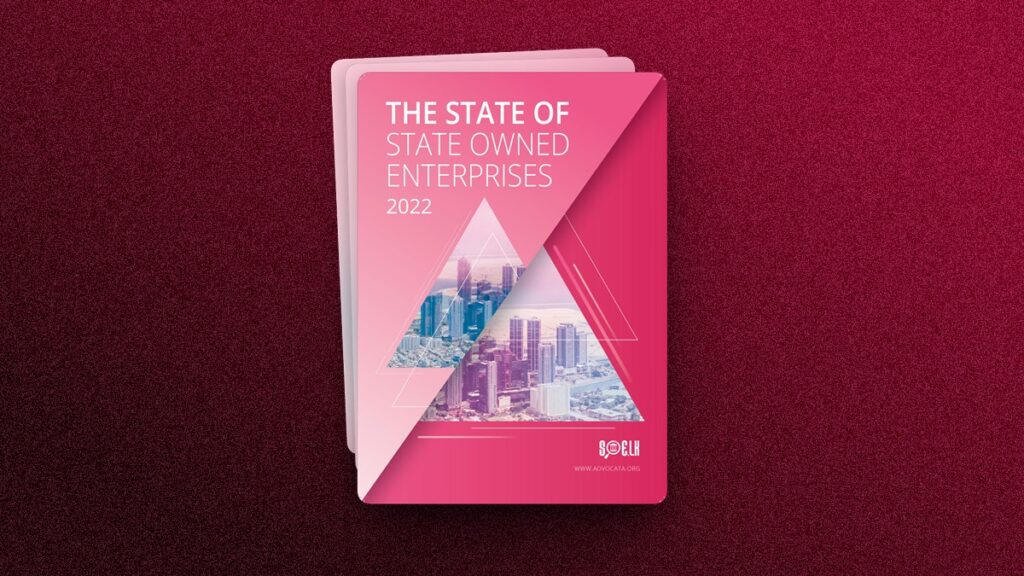
The Case For Privatization Of State Owned Businesses
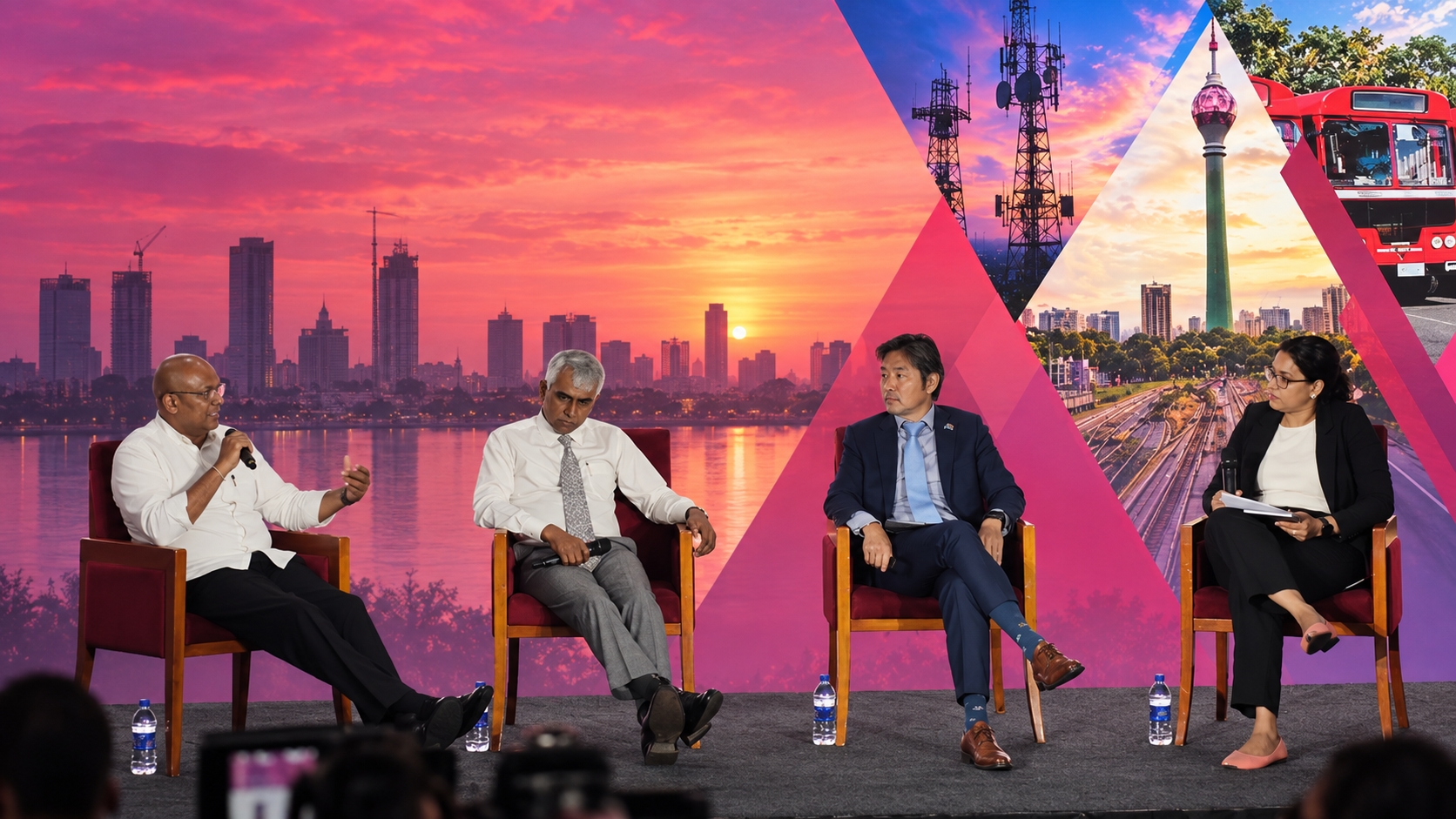
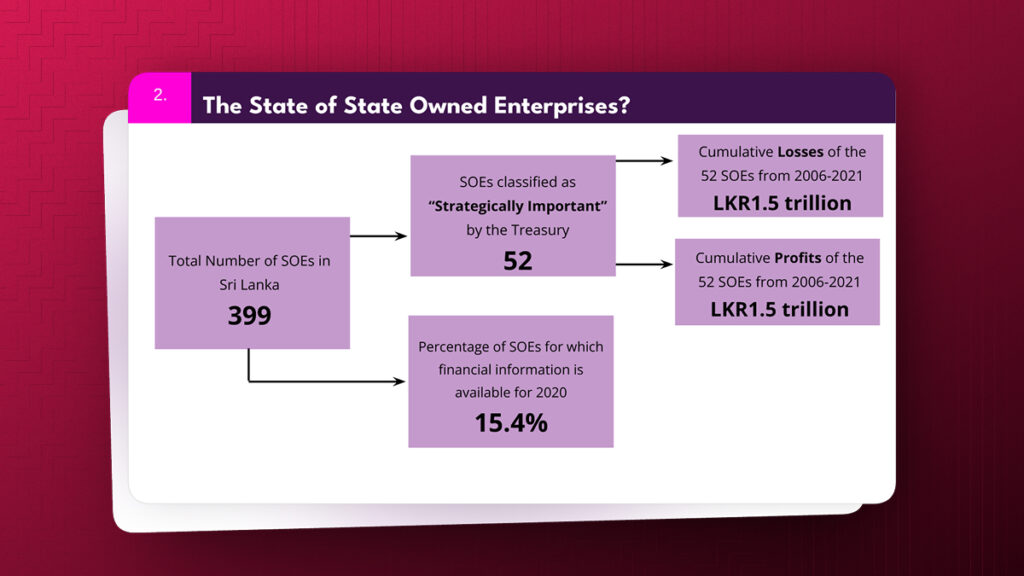
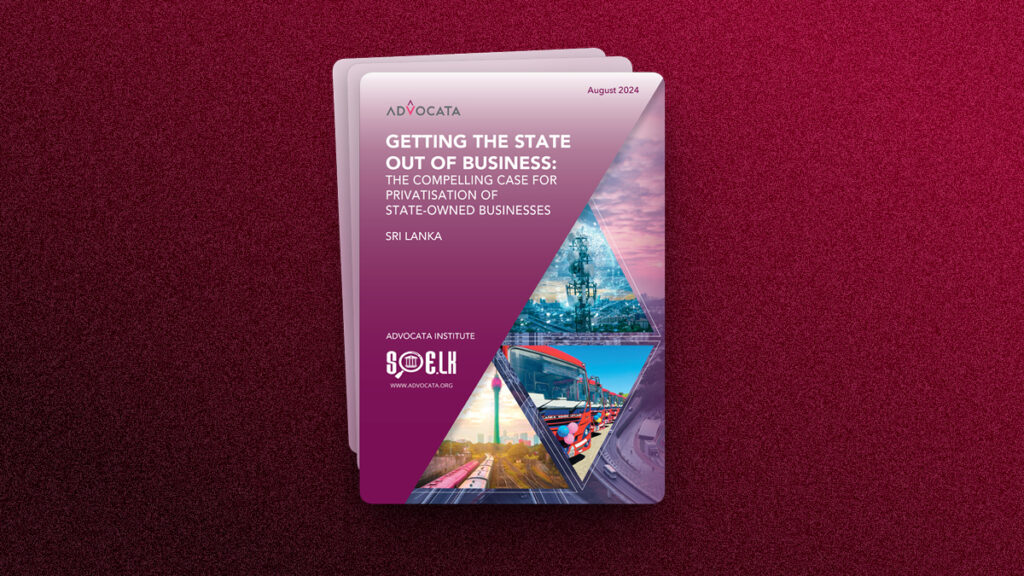
Held on 8 August 2024, this discussion tackled one of Advocata’s longest-running research themes: why Sri Lanka’s state-owned enterprises are a drag on the economy and what a credible privatisation programme should look like. The session drew directly on Advocata’s SOE briefing note, “Getting the State Out of Business,” which had documented the scale of the problem — a sprawling footprint of state enterprises across telecommunications, banking, ports, petroleum, and power generation, employing roughly a quarter of a million workers, with the IMF’s own Governance Diagnostic Assessment flagging these entities as high-risk for corruption, weak management, and rigged procurement. The main highlight was the case made for treating privatisation not as an ideological preference but as an urgent fiscal and governance necessity: divesting loss-making, non-strategic SOEs would curb the drain on public finances, remove entrenched opportunities for political interference and corruption, and level the playing field for private firms competing against subsidised state entities. The discussion tied this directly to Sri Lanka’s broader reform trajectory, framing SOE reform as a precondition — alongside tax and expenditure changes — for breaking the cycle of fiscal crises that had brought the country to the IMF’s door.