Freedom for Her: “Gender Discriminatory Labour Laws and Female Labour Force Participation”
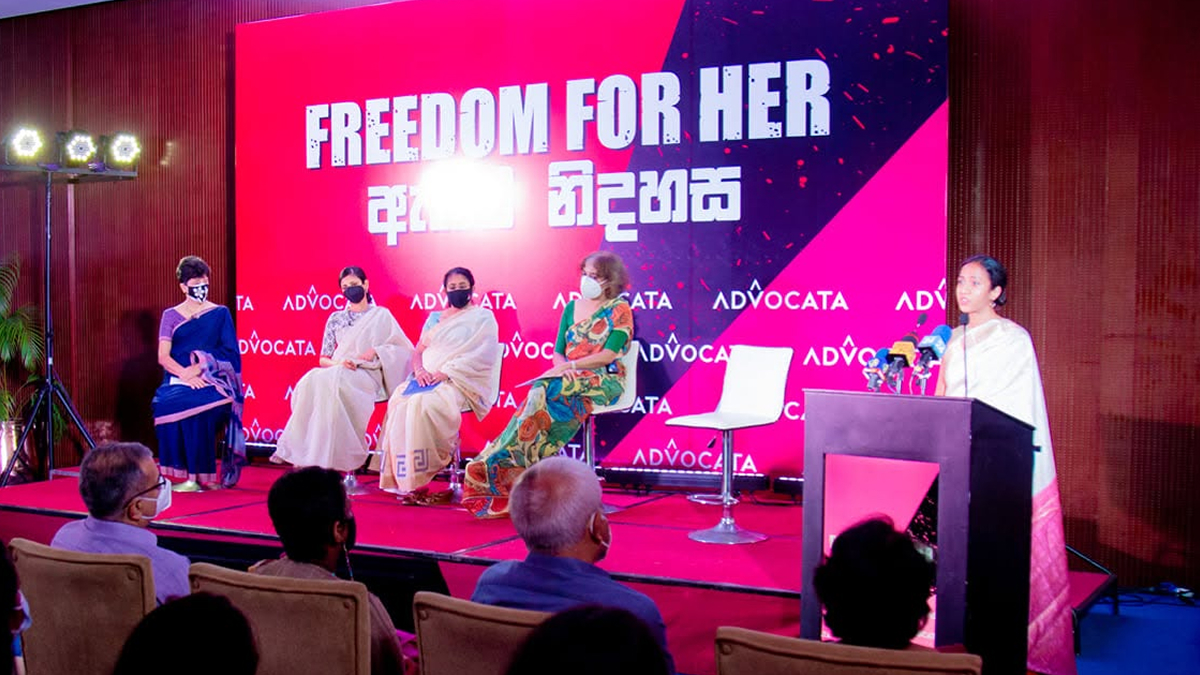
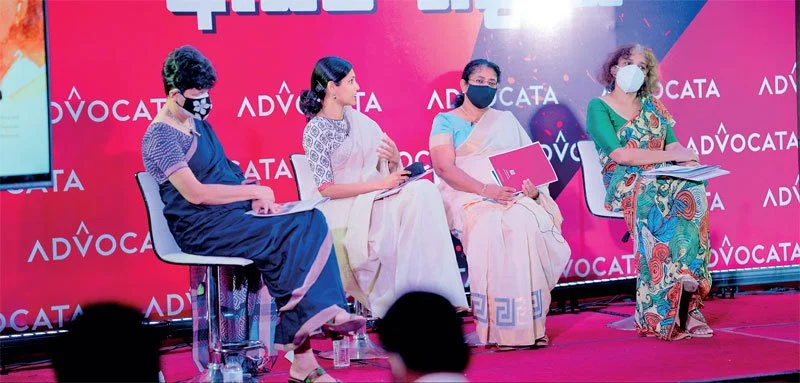
On 7 March 2022, ahead of International Women’s Day, the Advocata Institute hosted “Freedom For Her: Gender Discriminatory Labour Laws in Sri Lanka and Female Labour Force Participation”, an event focused on a question that remains central to women’s economic empowerment: do Sri Lanka’s labour laws enable women to participate equally in the workforce?
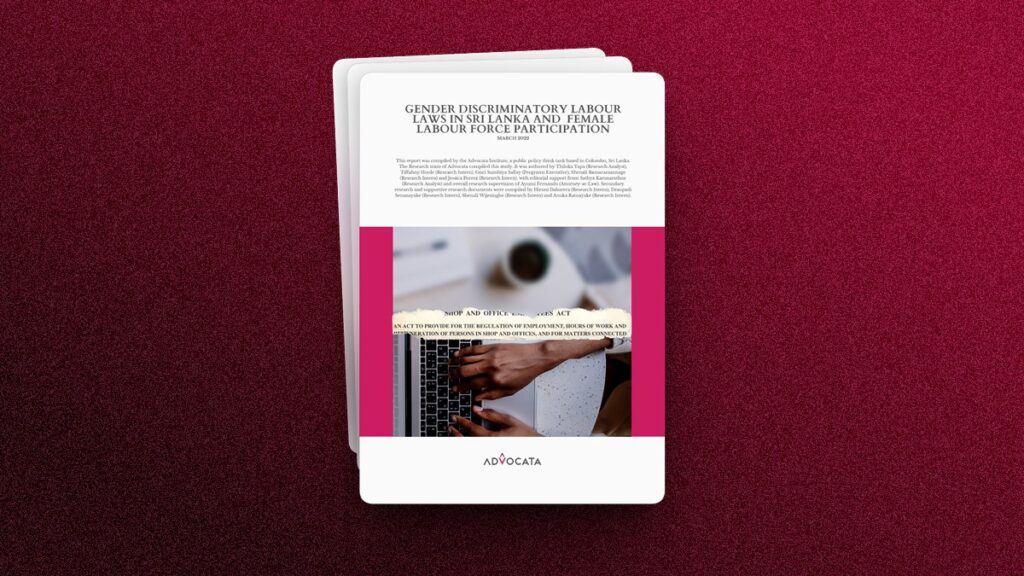
The event marked the launch of Advocata Institute’s research study, Gender Discriminatory Labour Laws in Sri Lanka and Female Labour Force Participation. The study examines how provisions within Sri Lanka’s labour laws can restrict women’s employment opportunities and, in doing so, create barriers to women entering, remaining in, and progressing through the labour force.
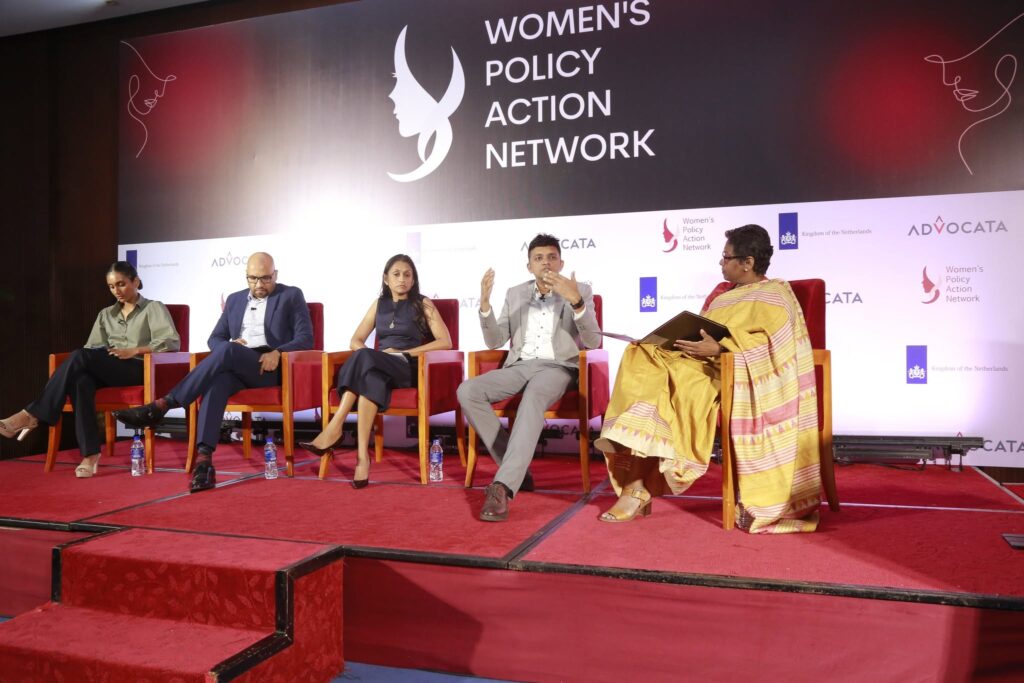
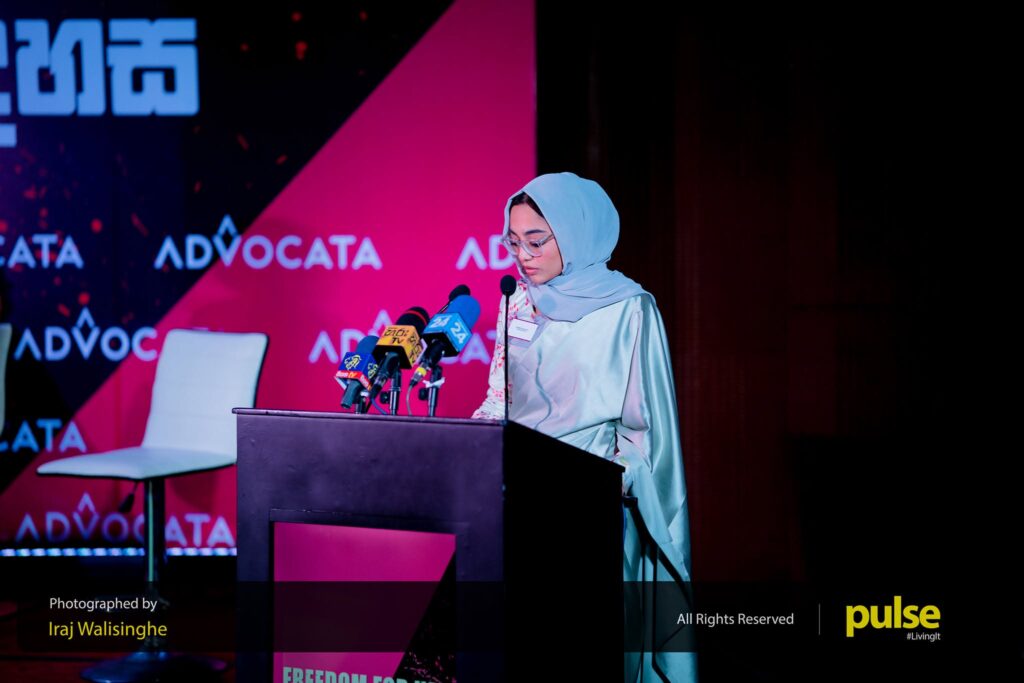
The discussion brought together perspectives from policymakers, researchers, employers and the private sector. The panel consisted of MP Thalatha Atukorale, representative of the Women Parliamentarians’ Caucus; Dr. Ramani Gunatilaka, Independent Consultant and Research Associate at the International Centre for Ethnic Studies; Ayomi Fernando, Industrial Relations Advisor at the Employers’ Federation of Ceylon; and Thanuja Jayawardene, General Manager – Women’s Empowerment, Advocacy and Code of Conduct at MAS. The discussion was moderated by Sathya Karunarathne, Research Executive (Policy) at Advocata Institute.

Why labour laws matter for women’s participation
Sri Lanka has a long-standing challenge of low female labour force participation. While women make up a significant share of the country’s educated population and contribute substantially to households and communities, their participation in paid employment remains comparatively low.
The Advocata study examined whether some of the legal protections intended to protect women may, in practice, limit their economic opportunities. Rather than treating restrictions on women as inherently protective, the research asks whether women should instead be given greater freedom to make decisions about the type, timing and conditions of work they are willing to undertake, while ensuring that appropriate protections apply to all workers.
The research identified four key areas where existing labour laws create barriers: sexual harassment in the workplace, overtime work, night work and part-time employment.
These issues are particularly important because the nature of work has changed significantly since many of Sri Lanka’s labour laws were introduced. New industries, changing working patterns and greater demand for flexible employment have created forms of work that existing legislation does not always adequately accommodate.
Sexual harassment and workplace protection
The discussion highlighted the importance of ensuring that women can enter and remain in employment without facing harassment or unsafe working environments.
The study points to a lack of adequate legal provisions specifically addressing sexual harassment in employment as an important gap. This creates uncertainty around the mechanisms available to prevent and respond to harassment in the workplace.
The issue is particularly significant because the absence of effective protections can discourage women from participating in formal employment. Legal reform therefore needs to address not only restrictions on women’s work, but also the protections required to ensure that workplaces are safe and inclusive.
The objective should be to create an environment where women are protected from harassment while also having the same economic opportunities as men.
Overtime: protection versus choice
Another major area discussed was restrictions on overtime work for women.
The research highlights that, in certain sectors, women face restrictions on their ability to work overtime that do not apply in the same way to men. While such provisions may have originally been introduced with the intention of protecting women, they can also limit women’s ability to choose additional working hours and earn additional income.
During the discussion, Ayomi Fernando emphasised the need to find a balance between protecting women and ensuring equal opportunities. Women do require protection from exploitation, but legislation should not prevent women who are willing and able to work additional hours from doing so.
This distinction is important. Protection should not become a restriction on choice. A modern labour framework should protect workers from unsafe or exploitative conditions while allowing employees, regardless of gender, to make decisions about their employment.
The barriers created by restrictions on night work
Night work was another significant issue examined by the study.
Sri Lanka’s labour legislation contains restrictions on employing women at night, meaning that women can face limitations in accessing jobs in sectors where night shifts are a normal part of operations. The research identifies these restrictions as a barrier to women’s participation in the workforce.
For industries that operate around the clock, such as manufacturing, tourism, hospitality, healthcare and other service sectors, the ability to work different shifts can be an important part of employment.
The panel discussion therefore considered whether blanket restrictions based on gender remain appropriate in a modern economy. Instead of restricting women from particular working hours because they are women, the focus can be placed on ensuring safe transportation, secure workplaces and appropriate working conditions for all employees.
Part-time work and the need for flexibility
The fourth major issue raised by the research was the limited recognition of part-time and flexible employment within Sri Lanka’s labour laws.
The absence of adequate provisions for part-time work can create difficulties for both employers and employees. For women who have responsibilities outside the workplace, flexible employment arrangements can provide an important pathway into the labour market.
Thanuja Jayawardene highlighted the importance of making part-time employment available, noting that from a business perspective, providing flexibility can be preferable to losing employees altogether.
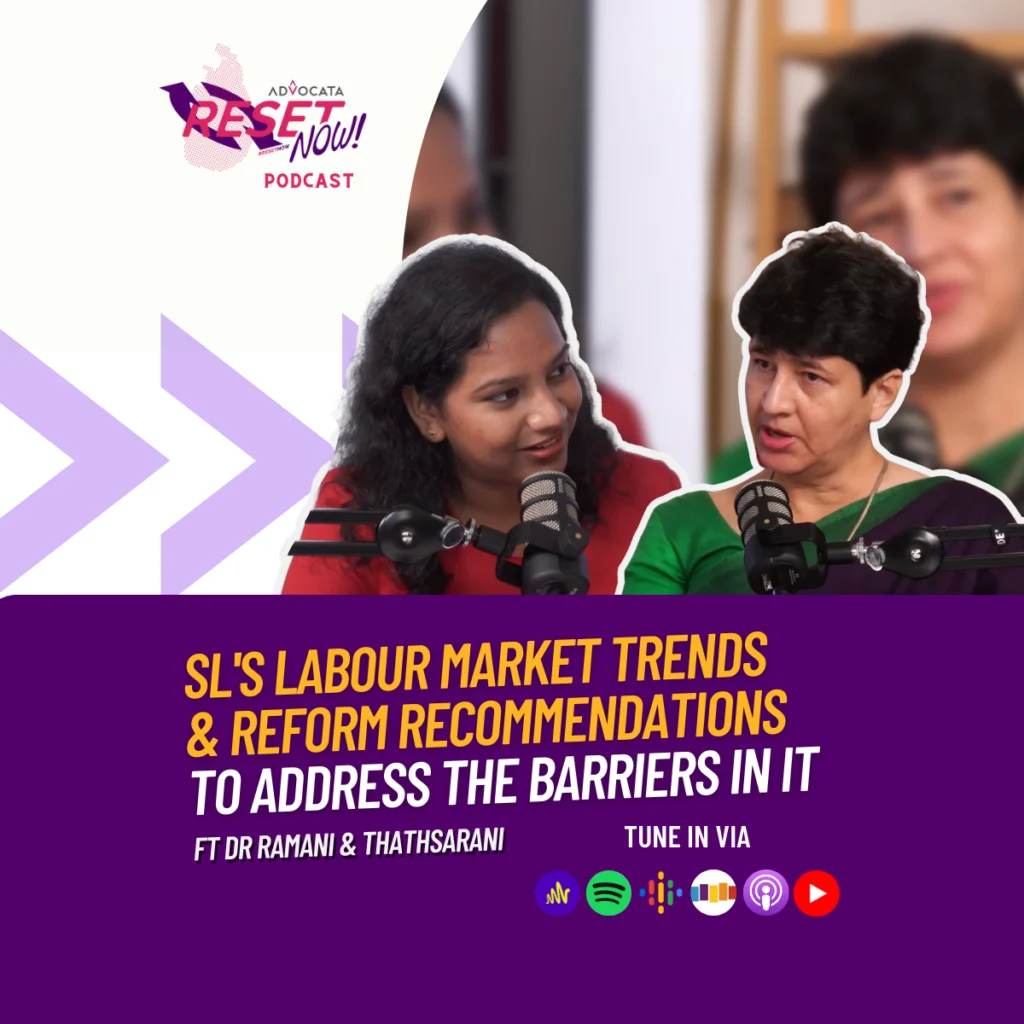
Dr. Ramani Gunatilaka similarly emphasised that part-time employment can create opportunities for young people and students to gain work experience, build professional networks and develop skills. For women, flexible employment can provide an opportunity to remain economically active while managing other responsibilities.
The issue therefore extends beyond women’s employment. Creating a legal framework that recognises flexible forms of work could make the labour market more responsive to the changing needs of both employers and workers.
A need to modernise Sri Lanka’s labour laws
The discussion also brought attention to the age of Sri Lanka’s labour legislation. Several key laws governing employment were introduced decades ago, at a time when the structure of the economy and the nature of work were very different from today.
MP Thalatha Atukorale stressed the need to amend existing legislation and introduce laws that reflect the changing economy. She noted that as new sectors emerge and the nature of employment evolves, the legal framework must also change.
The Advocata study proposes reforms to several pieces of legislation, including the Shop and Office Employees (Regulation of Employment and Remuneration) Act No. 19 of 1945, Wages Boards Ordinance No. 27 of 1941, Gratuity Act No. 12 of 1983, Industrial Disputes Act No. 43 of 1950, Factories Ordinance No. 45 of 1942, and Employment of Women, Young Persons and Children Act No. 47 of 1956.
The objective is not simply to remove protections for women. Rather, it is to reconsider whether existing protections remain appropriate and whether they unintentionally restrict women’s economic choices.
Women’s economic participation and Sri Lanka’s future
A central message emerging from the discussion was that increasing women’s participation in the workforce is not only a matter of equality. It is also an economic issue.
When women are unable to enter or remain in employment because of outdated regulations, the economy loses part of its potential workforce. Dr. Gunatilaka pointed to the importance of increasing female labour force participation in the context of Sri Lanka’s changing demographics, noting that the country’s working-age population is declining.
Removing unnecessary legal barriers could therefore benefit both women and businesses. Greater flexibility could allow firms to retain employees, broaden their potential pool of workers and respond more effectively to labour shortages. For women, it could mean greater access to employment, income and economic independence.
The event ultimately highlighted the need to move towards a labour market where women are protected, but not unnecessarily restricted; supported, but not excluded; and given the freedom to make choices about their participation in the workforce.
The Freedom For Her discussion brought together policymakers, researchers and representatives from the private sector to examine these questions and consider how Sri Lanka’s labour laws can evolve to reflect the realities of today’s workforce. The conversation demonstrated that reform requires not only changes to legislation, but also a broader shift towards recognising women’s economic participation as an essential component of Sri Lanka’s growth.
The full research study, “Gender Discriminatory Labour Laws in Sri Lanka and Female Labour Force Participation,” provides a detailed examination of these legal barriers and proposes reforms to address them.