Public Lecture #5 Prof Pratap Bhanu Mehta on Economic Rights in the Constitution
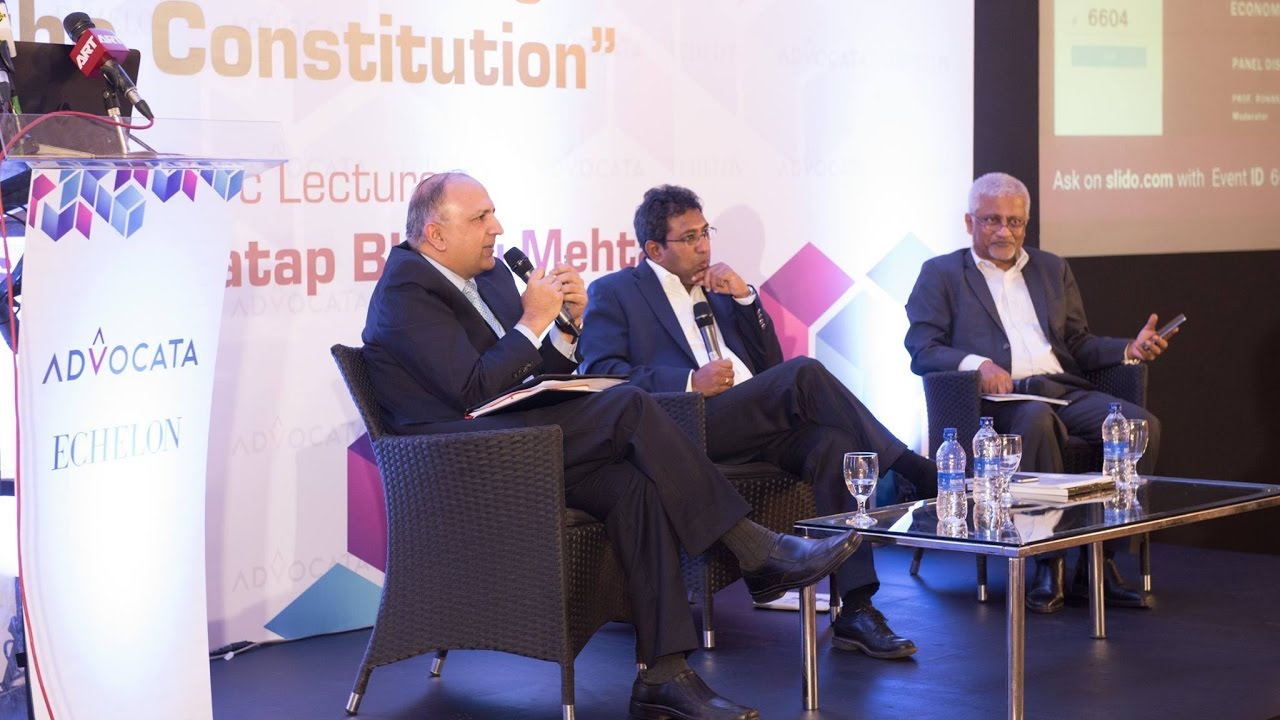
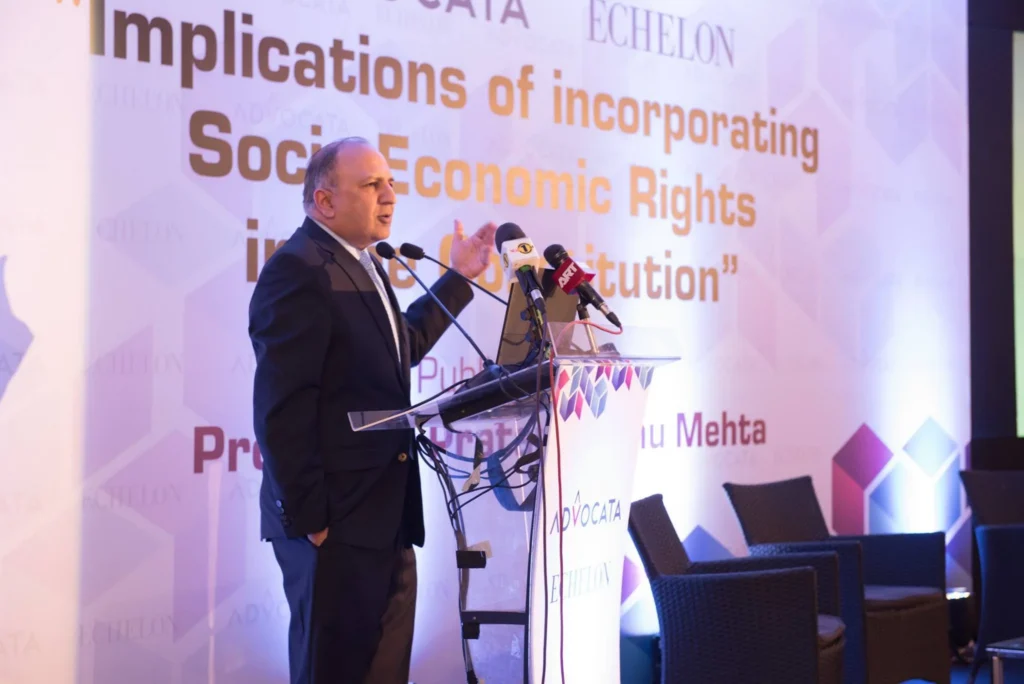
Delivered in February 2017 jointly with Echelon Magazine, this lecture brought Prof. Pratap Bhanu Mehta — the eminent Indian political theorist and, at the time, President and CEO of the Centre for Policy Research in New Delhi — to weigh in on a question actively dividing Sri Lanka’s constitutional reform debate: should socio-economic rights (to healthcare, education, and similar entitlements) be written directly into the country’s new constitution? Drawing on India’s own long experience with constitutionalised rights, Mehta reframed the debate away from abstract ideology and toward a sharper practical question: what specific problem is constitutionalising these rights actually meant to solve, given that most countries that have achieved excellent healthcare and education — Scandinavia among them — did so without ever constitutionalising the right to them. He located the appeal of constitutionalisation in a deeper “feeling of deep state failure,” where citizens turn to courts precisely because they no longer trust the ordinary legislative process to deliver on these goals. The lecture’s central, most consequential warning was that if Sri Lanka does choose this path, it must pair any such rights with a clear, specific legislative framework beneath them — conditional rather than unspecified rights — or risk what Mehta described as B.R. Ambedkar’s worst fear: an economy effectively governed by courts rather than democratic institutions, with “rights” language perversely captured by the privileged rather than protecting the vulnerable. The lecture was followed by a panel including Deputy Minister of Foreign Affairs Dr. Harsha de Silva and Prof. Rohan Samarajiva.