Capitalism in Asia: What it means for Sri Lanka
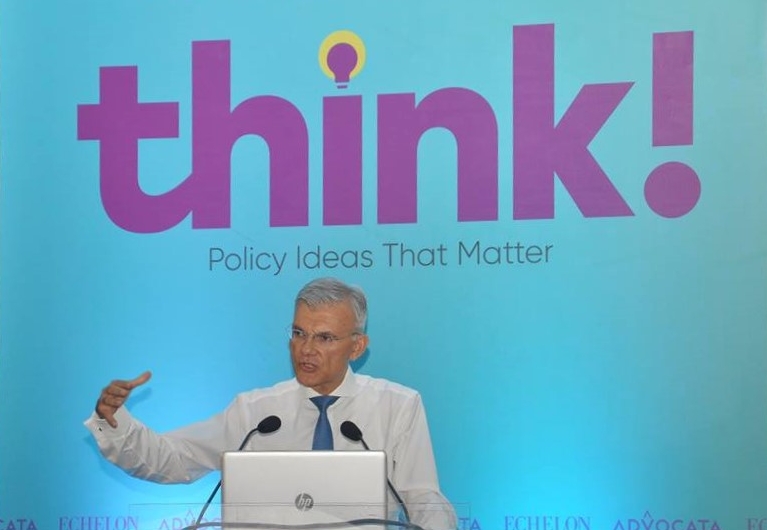
Delivered on 19 June 2018 as part of Advocata’s “Think” lecture series, this talk by Prof. Razeen Sally — Associate Professor at the Lee Kuan Yew School of Public Policy at the National University of Singapore and Chairman of Sri Lanka’s own Institute of Policy Studies — offered a sweeping, structural analysis of Asian capitalism framed around what Sally called its three faces, or “trimurti”: economic, political, and global. Rather than treating Asia’s growth story as a single, uniform model, Sally examined how divergent political systems and institutional arrangements across the region were producing very different capitalist trajectories, with a particular focus on whether China’s “market Leninism” could plausibly evolve into genuine Schumpeterian, innovation-driven capitalism, or whether that transition fundamentally requires the kind of open, liberal-democratic institutions China’s political system was not built to provide. The lecture’s most striking claim was Sally’s explicit doubt that China could deliver a stable “Pax Sinica” to replace American-led global order in Asia, arguing instead that the preservation of freedom and prosperity across the region still depends on continued US leadership and a stable, open global context. Sally closed by bringing the argument home directly to Sri Lanka, insisting the underlying battle over economic freedom and institutional quality “must also be fought on Sri Lankan soil” — in economic policy choices, in building liberal-democratic institutions, and in how the country manages its relationships with major foreign powers.
Related resources
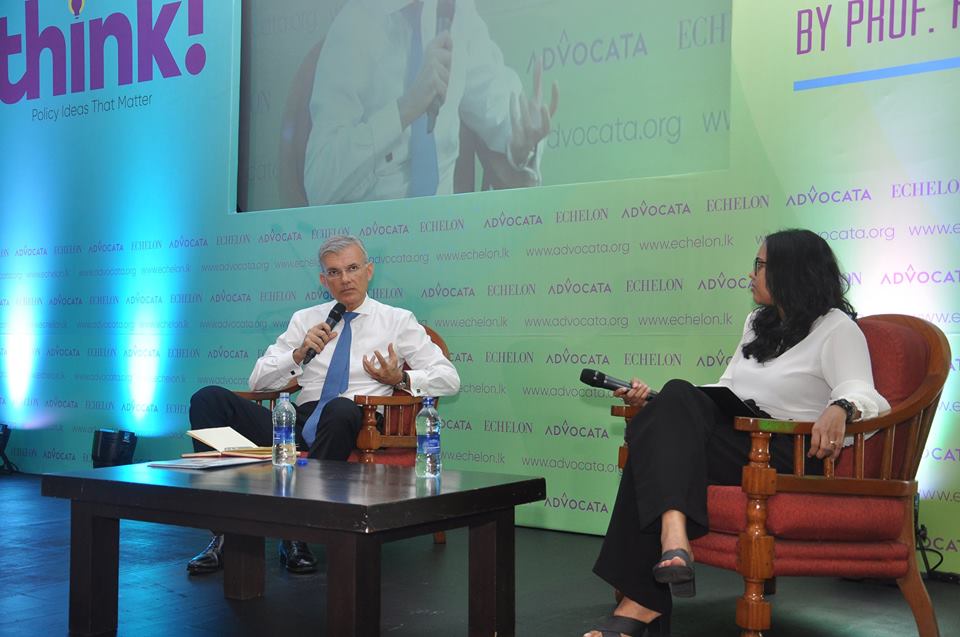
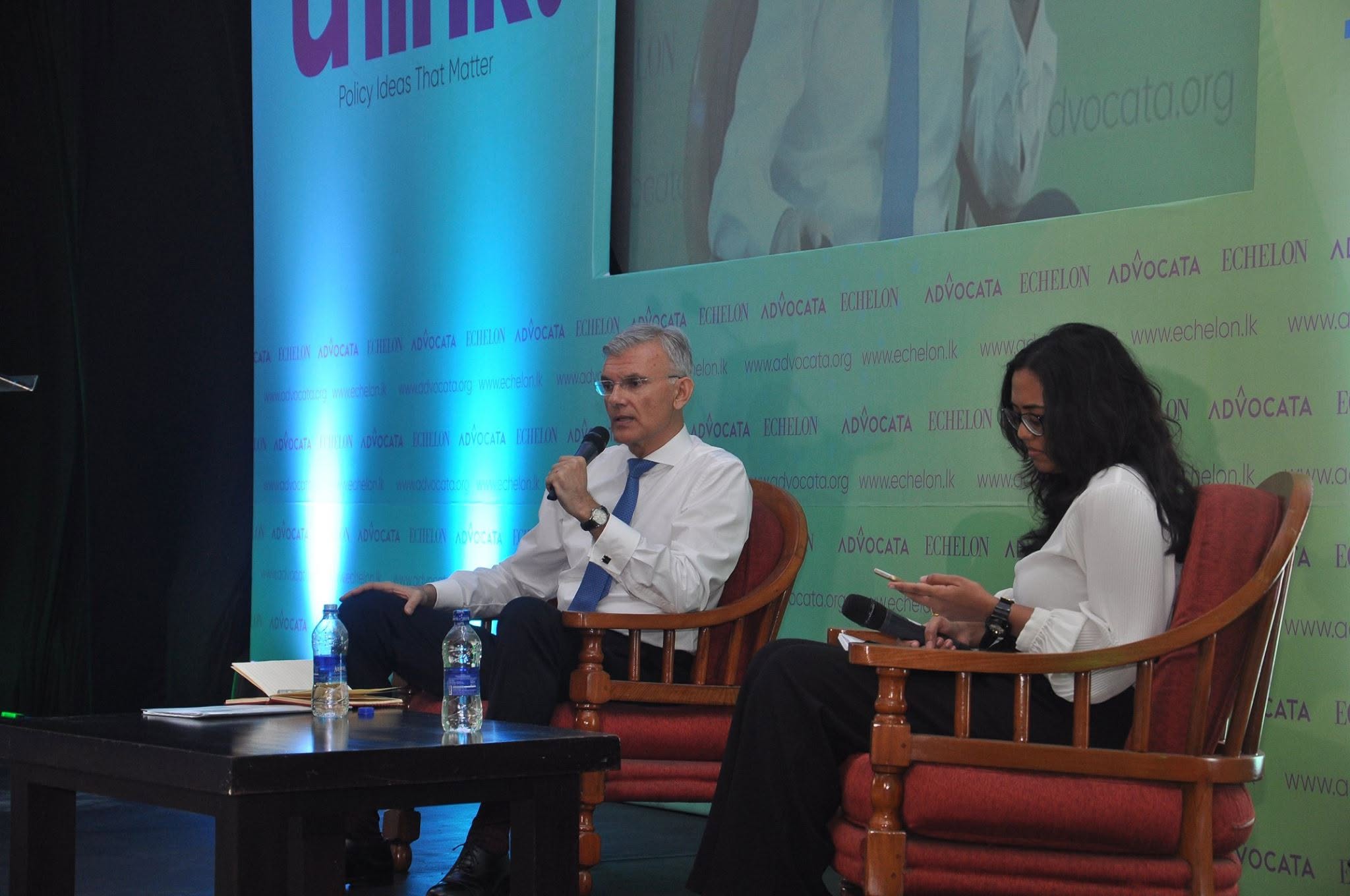
The lecture was organised with Echelon Magazine, with the question-and-answer session moderated by Eshini Ekanayake of JB Securities. Its advance programme distinguished the remaining catch-up growth opportunities of lower-income Asian economies from the innovation and productivity challenges facing middle- and higher-income Asia.