 Research Publication
Centralising the State’s Ownership Function
Daniel Alphonsus
3, September 2026
Summary
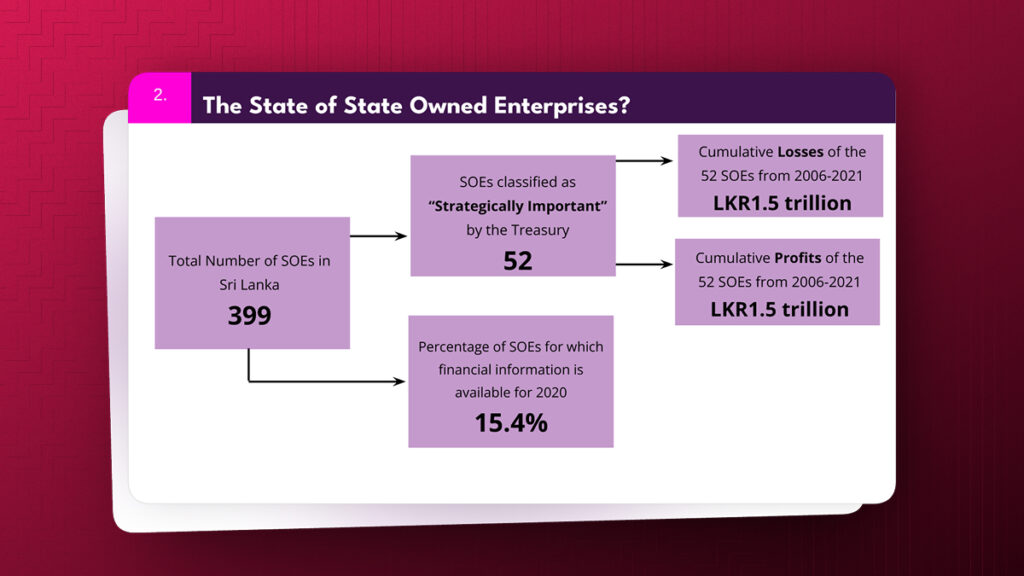
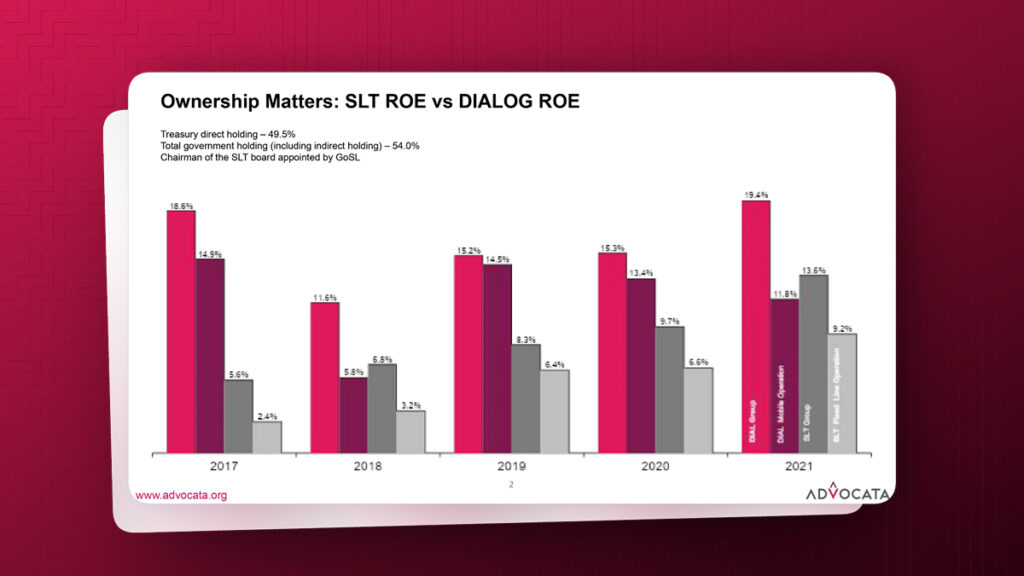
Daniel Alphonsus argues that ownership matters to the performance of state-owned enterprises. Sri Lanka’s SOEs operate under a wide range of legal forms, ownership arrangements, market structures and regulatory systems. Some are owned directly by the Treasury, others by line ministries or other state entities, and several combine direct and indirect government control. This fragmentation weakens accountability and can blur the state’s roles as owner, policymaker and regulator.
The presentation makes the case for a clearer and more centralised state-ownership function. A central entity could apply consistent expectations on corporate form, commercial returns, public-service obligations and financial oversight while separating ownership decisions from sector policy and regulation. Competitive-neutrality rules should ensure that public firms account transparently for subsidies and public mandates and do not receive hidden advantages through taxation, debt guarantees, regulation or procurement.
Key Points
- Sri Lanka uses many different legal and ownership models for state enterprises, often in inconsistent combinations.
- Line-ministry ownership can create conflicts when the same ministry also sets policy or regulates the market.
- Direct and indirect state shareholdings make control and accountability difficult to understand.
- A central ownership function could establish consistent governance, monitoring and capital-allocation standards.
- Commercial functions and public-service obligations should be identified, costed and reported separately.
- Competitive neutrality requires transparent treatment of taxes, regulation, debt, subsidies and public procurement.