ආර්ථික නිදහස් සමුළුව 2024 :ධනවත් රටක් හදන ආර්ථික නිදහස
Overview
Organized by the Advocata Institute, the Advocata Economic Freedom Summit 2024 convened leading domestic and international thinkers, policymakers, and public intellectuals to examine Sri Lanka’s economic recovery and evaluate its standing on the Economic Freedom of the World Index. Unfolding across two venues and conducted in both English and Sinhala on January 29, 2024, the summit was designed to analyze the state of economic freedom in post-crisis Sri Lanka, audit its institutional barriers, and articulate actionable policy pathways toward sustainable national wealth creation. By bridging global academic expertise with practical governance challenges, the event aimed to mainstream market-oriented reforms, institutional independence, and economic deregulation into Sri Lanka’s broader public policy discourse.
Morning Session — Economic Freedom & Its Pathway to Prosperity
Global Perspectives and Institutional Audits
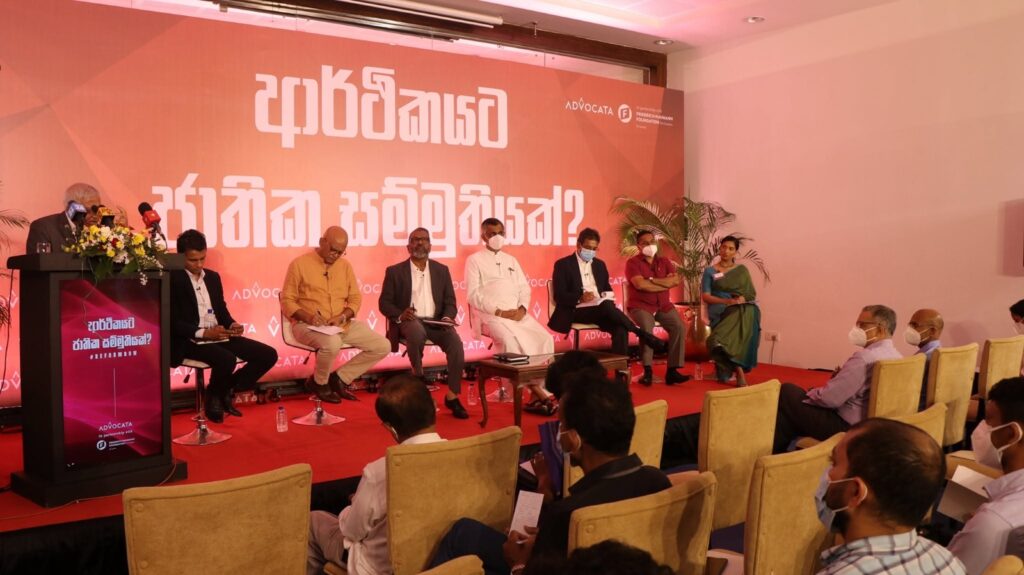
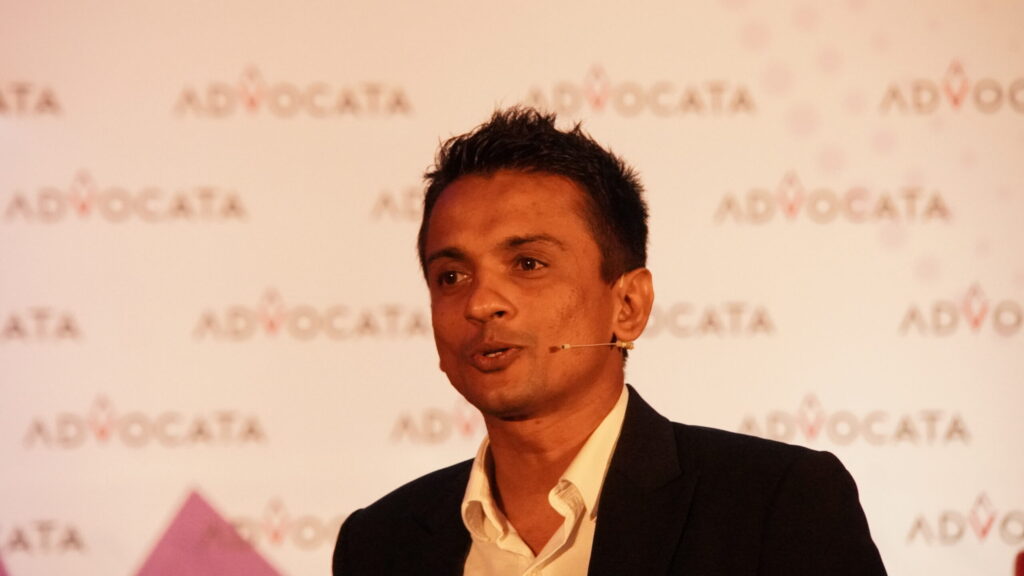
The summit commenced with an English-language morning breakfast forum held at the Courtyard by Marriott Colombo, titled “Economic Freedom & Its Pathway to Prosperity”. The session provided an in-depth audit of Sri Lanka’s scores on the Economic Freedom of the World Index, bringing local reformers into direct conversation with international leaders behind global economic freedom measurements. Presenters included Fred McMahon, Resident Fellow at the Fraser Institute, and Dr. Tom G. Palmer, Executive Vice President for International Programs at the Atlas Network, who outlined how institutional constraints, trade barriers, and state market interventions lower living standards across developing nations. The session was moderated by Prof. Rohan Samarajiva, Board Advisor at the Advocata Institute, and included panel discussions with MP Dr. Harsha de Silva, Chairman of the Committee on Public Finance, and Daniel Alphonsus, Director at the Advocata Institute.
Pragmatic Policy and Development Strategies
The keynote address at the morning forum was delivered by Thilan Wijesinghe, Chairman and CEO of TWCorp (Pvt) Ltd, who offered a pragmatic perspective on national development strategies. Wijesinghe argued against adhering strictly to rigid ideological labels or dogmatic economic frameworks, emphasizing that Sri Lankan policymakers must remain pragmatic and focus on policies that tangibly expand prosperity across the population. However, Wijesinghe maintained that core economic freedom principles—including business deregulation, modern education systems, secure property rights, and institutional independence—remain the essential foundation for long-term growth and attracting foreign direct investment.
Afternoon Session — ධනවත් රටක් හදන ආර්ථික නිදහස (Creating a Prosperous Nation Through Economic Freedom)
Presentation on Market Freedom and Governance
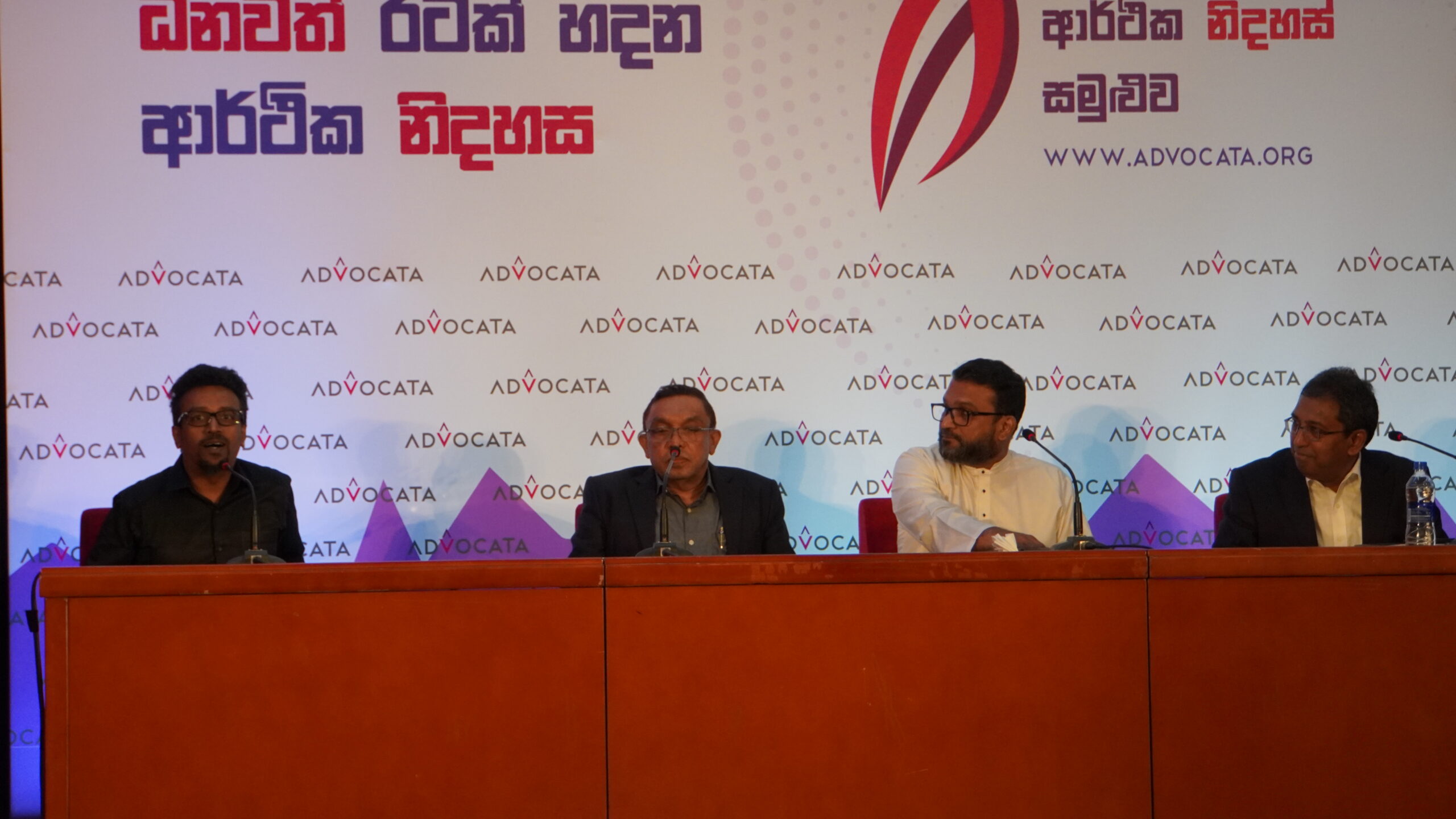
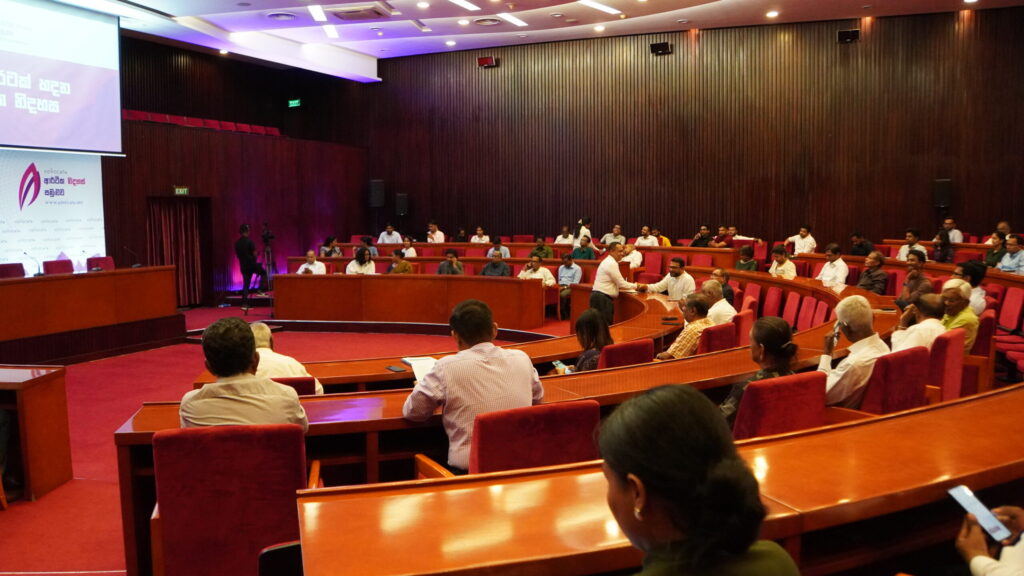
In the afternoon, the summit transitioned to Jasmine Hall at the BMICH for a Sinhala-language companion session titled “ධනවත් රටක් හදන ආර්ථික නිදහස” (“Creating a Prosperous Nation Through Economic Freedom,” also framed publicly under the theme “රට හදන System එක”). The session aimed to democratize economic concepts and expand the reform debate to a broader Sinhala-speaking audience. Advocata Institute Chief Executive Officer Dhananath Fernando opened the proceedings with a presentation on economic freedom, detailing how administrative over-regulation, state-owned enterprise monopolies, and fiscal mismanagements restrict entrepreneurship and exacerbate cost-of-living burdens for ordinary citizens.
Legislative Oversight and Reform Pathways
The keynote address for the Sinhala session was delivered by Dr. Harsha de Silva, MP and Chairman of the Parliamentary Committee on Public Finance. Dr. de Silva outlined crucial structural reforms required to rebuild national economic stability, emphasizing fiscal discipline, transparent public procurement, state enterprise restructuring, and legislative oversight over state expenditure. Following the keynote, a panel discussion moderated by content creator Hasalaka Thushara featured State Minister of Foreign Affairs Tharaka Balasuriya and Prof. Sirimal Abeyratne, Advisor to the Advocata Institute. The panelists discussed practical steps for integrating Sri Lanka into global supply chains, reducing bureaucratic trade friction, and aligning public policy with competitive market principles.
Highlights and Significance
The Advocata Economic Freedom Summit 2024 marked a crucial milestone in shifting Sri Lanka’s economic recovery debate from emergency crisis stabilization to long-term institutional reform. By hosting synchronized sessions in English and Sinhala, the Advocata Institute successfully bridged the gap between elite policy circles and the broader public, ensuring that critical discussions on market deregulation, trade openness, and fiscal accountability resonated across diverse language demographics. The event highlighted an emerging consensus that achieving durable economic growth requires protecting economic freedom, modernizing state institutions, and establishing transparent governance frameworks that support private enterprise and competitive development.