 Commentary
Why does Sri Lanka love “protecting” local industries?
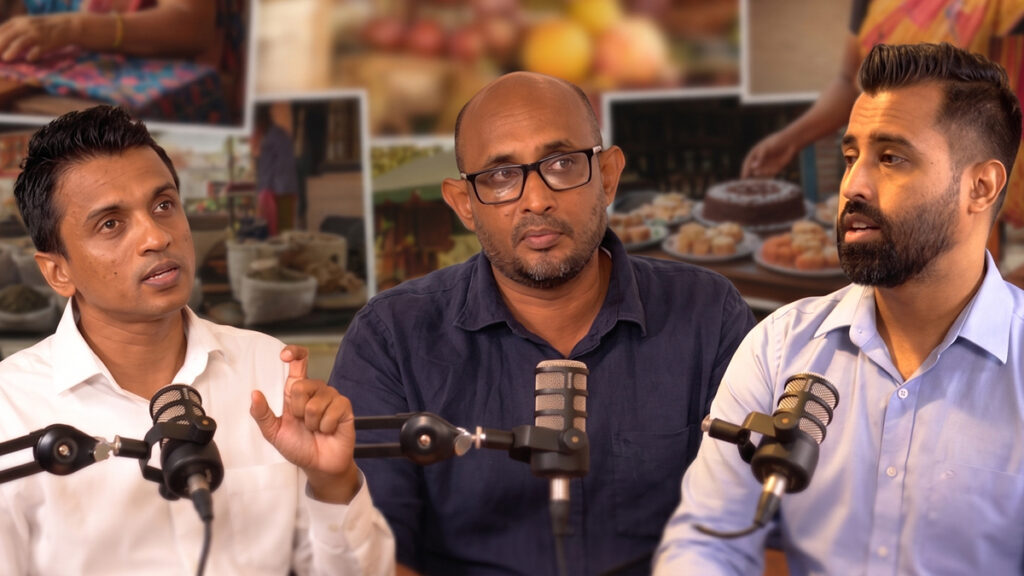
The meeting addressed proposed changes to Sri Lanka’s tariff structures and potential issues regarding trade-related money laundering. Dhananath and Charindra discussed the Deputy Finance Minister’s plan to phase out para-tariffs by 2030. This transition includes a four-band structure ranging from 0% to 30%. A 25% cess is scheduled for removal in 2028/29, followed by a 50% reduction in 2030. Dhananath expressed concern that the 2030 timeline may be driven by political considerations to avoid losing industrial or business votes during election cycles. An alternative proposal was suggested: instead of protecting industries through tariffs, the state could provide direct subsidies. This would make it easier to phase out support and allow companies to compete more transparently on a global scale. The discussion highlighted how protectionism impacts various sectors such as apparel, tea, and construction (specifically tiles).
Tags