 Video and Podcast
Unlocking Land for Development: Current Land Utilisation
5, August 2022
Summary
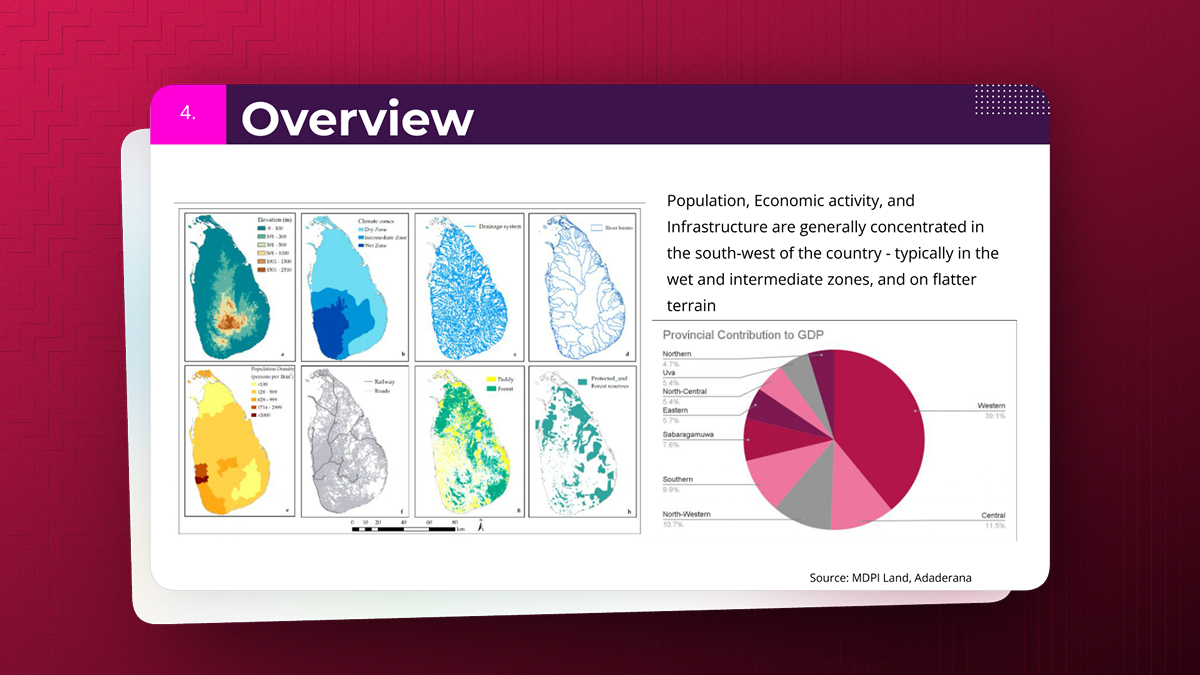
Migara Rodrigo provides a concise factual overview of how land is owned, registered and used in Sri Lanka. The presentation highlights the state’s dominant ownership position, the limited reach of title registration and the administrative cost of transferring property. Population, economic activity and infrastructure are concentrated in the south-west, while urban growth has largely taken the form of sprawl and ribbon development.
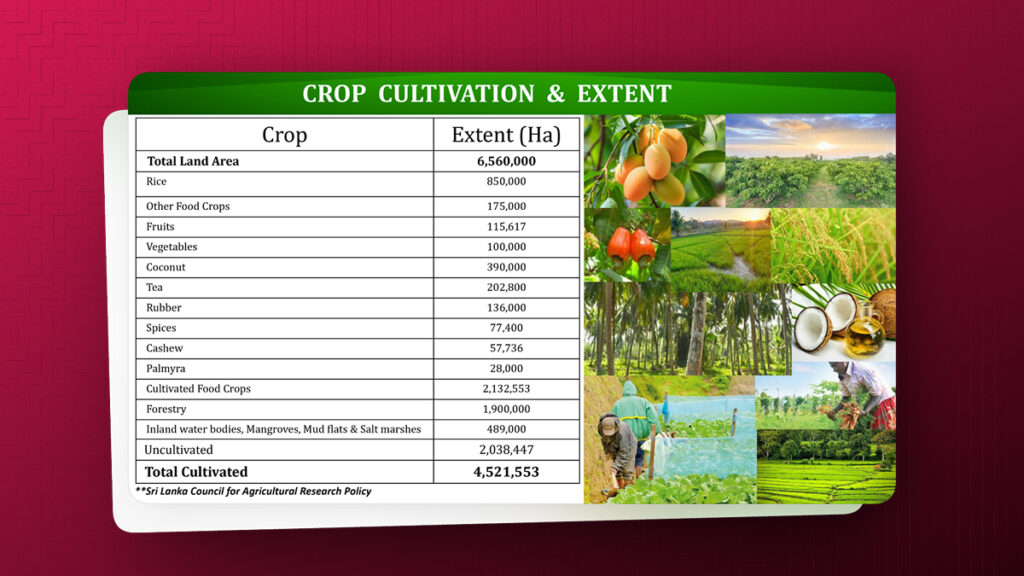
Agricultural land remains economically and socially important but is divided into small holdings and operates under extensive restrictions. A large share of farming takes place on state land used by private farmers, while insecure grants, degradation and encroachment reduce value and discourage investment. The presentation also notes the small physical footprint but large export contribution of Board of Investment zones. Taken together, the evidence establishes the case for clearer property rights, better land information and a more deliberate approach to allocating land for agriculture, urbanisation and investment.
Key Points
- The government owns approximately 82% of Sri Lanka’s land, while only a small proportion has been registered under Bim Saviya.
- Property registration is administratively burdensome, requiring multiple processes and taking several weeks on average.
- Population, economic activity and infrastructure are heavily concentrated in the south-west of the country.
- Urbanisation has largely occurred through low-density sprawl and ribbon development.
- Agricultural land is fragmented, heavily restricted and frequently held under arrangements that reduce security and market value.
- BOI zones occupy relatively little land but account for a substantial share of national exports.