 Newsroom
Advocata urges full SOE reform following Cabinet move to close 33 dormant SOEs
Daily Mirror
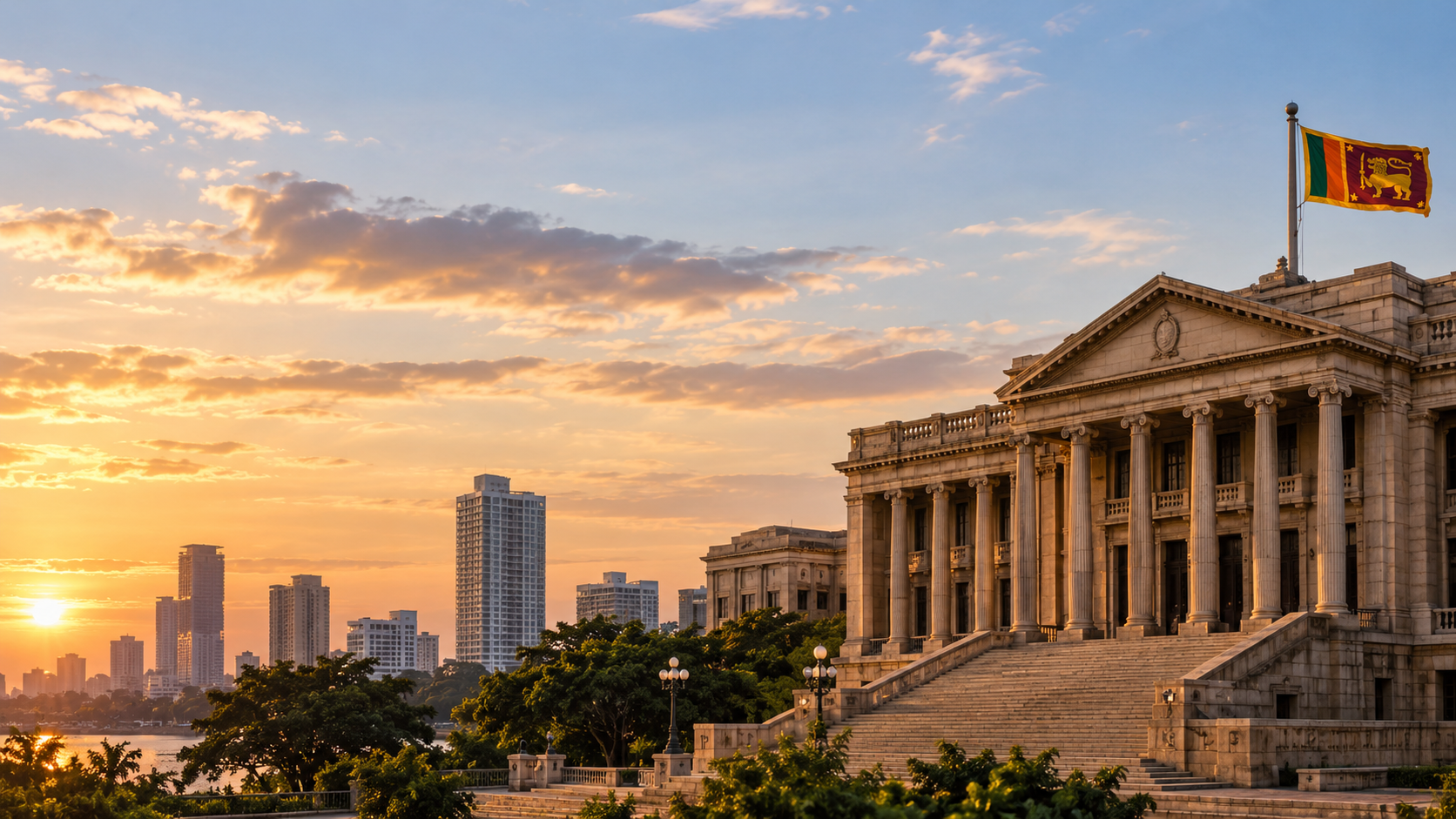
The Advocata Institute welcomes the decision by the Cabinet of Ministers, on the proposal of President Anura Kumara Dissanayake in his capacity as Minister of Finance, Economic Stabilization and National Policy, to formally close 33 non-operational State-Owned Enterprises (SOEs) under Phase 2 of the government’s state-sector reform program.
The move, to be implemented through a Special Liquidation Unit under the Ministry of Finance, is a first step toward eliminating waste, improving fiscal discipline, and redirecting scarce resources to more productive sectors of the economy.
Sri Lanka’s SOEs, numbering over 400 across 33 sectors and employing nearly 250,000 people, account for around 4.5% of the country’s total public debt (guaranteed debt by treasury). Of these, around 130 have commercial interests, while the remainder are statutory or non-commercial entities. This press release focuses exclusively on the commercial SOEs plagued by weak management, political interference and a lack of transparency. The IMF has identified SOEs as a core governance and fiscal risk.
Shutting down entities such as Mihin Lanka (Pvt) Ltd, Lanka Cement PLC, Selendiva Investments Ltd, and Magampura Ports Management Company (Pvt) Ltd provides a premise for the government to pursue a broader rationale for SOE reform: addressing economic failures, supporting development, and safeguarding national interests. State ownership is warranted only where there is a clear economic or strategic justification—typically when market failures prevent private actors from efficiently providing goods or services. The number of entities retained as SOEs should therefore be significantly reduced, focusing solely on those that are strategically important or justified by clear economic, strategic, or development objectives.
Ensuring Competitive Neutrality
While closures are essential, reform must also correct distortions due to a lack of competitive neutrality— the principle that all firms should compete on equal terms. SOEs that still hold significant positions in their markets, often enjoy state guarantees, preferential finance, or regulatory exemptions unavailable to private competitors. These privileges distort markets, crowd out private investment, weaken productivity growth and reduce efficiency across the economy. Addressing these horizontal effects is critical. Competitive neutrality means that all enterprises, public or private, compete on the same terms, without hidden subsidies or privileges.To restore a fair playing field, SOEs must operate without hidden advantages, face hard budget constraints, and earn at least their cost of capital. Separating commercial from non-commercial activities and transparently compensating public service obligations are also essential to prevent cross-subsidisation.
Impacts on Downstream and Upstream Industries
SOEs create ripple effects across industries. When a dominant SOE underperforms, downstream firms and households face higher costs and risks, while upstream suppliers are squeezed by monopsonistic purchasing. The Ceylon Electricity Board (CEB), which holds a monopoly over electricity transmission and distribution, illustrates this clearly. Any dysfunction in the CEB, from financial losses and tariff distortions to underinvestment and service disruptions, cascades directly to downstream sectors such as manufacturing, services, and households. Loss-making entities like the CEB generate economy-wide costs by undermining competitiveness, constraining private sector growth, and creating significant fiscal risks.
Addressing Governance Failures
Sri Lanka’s SOEs face entrenched governance weaknesses. Boards are politicised, frequently reshuffled after elections, and lack the independence to enforce accountability or drive efficiency. Oversight is fragmented, performance rarely measured against the cost of capital, and mounting SOE debt continues to add to Sri Lanka’s already unsustainable public debt (over 100% of GDP). Advocata commends the proposal to bring SOEs under a central holding company owned by the Treasury, under the purview of the Ministry of Finance.Used successfully in Singapore and Malaysia, this model breaks capture by line ministries and reduces political misuse, enabling professional oversight, merit-based board appointments, consolidated reporting, and a focus on shareholder returns.
Addressing Unsellable and Legacy Entities
While the closure of 33 dormant SOEs is a step in the right direction, it is more important that the Government addresses entities that are not dormant but are difficult to sell due to the dire state of their finances. Two examples are the Janatha Estates Development Board (JEDB) and Sri Lanka State Plantation Corporation (SLSPC) which have long ceased to operate as viable commercial entities. These entities hold significant land and asset portfolios, but their operational model is unsustainable and does not deliver economic value. There are many others that fall into this category. The rational course is to wind them down and repurpose their assets through a transparent process, directing the proceeds toward reducing public debt and thereby directly easing the fiscal burden on taxpayers.
Beyond Closures: The Case for Divestiture
While the closure of non-operational SOEs is an important milestone, the Advocata Institute stresses that this should be viewed as a headstart towards full or partial divestiture of commercially viable enterprises. Research shows that divestiture:
Reduces fiscal pressure: Publicly guaranteed SOE debt accounts for 4.5% of Sri Lanka’s total debt. Divestiture relieves the Treasury from absorbing massive losses.
● Unlocks efficiency and productivity: Private ownership injects market discipline. Managers and employees are recruited and rewarded on merit, not political loyalty.
● Cuts corruption and patronage: SOEs often act as vehicles for jobs, contracts, and political kickbacks. Divestiture breaks this nexus, reducing opportunities for corruption.
● Mobilises investment: Private capital can modernise enterprises, upgrade technology, and expand capacity ,opportunities the state cannot afford to finance.
Divestiture is often seen as selling the “family silver,” but in reality, it is about liberating underutilized resources, whether land, capital, or labor—so they can operate at their full potential. When these assets remain in state ownership, they often underperform. Divestiture allows the government to continue benefiting as a stakeholder through the tax system, while competitive markets enable these entities to operate efficiently, generate higher profits, and create a large consumer surplus. It also provides an opportunity for a continuous stream of income through taxes and allows resources to be recycled for budgetary support or investment in greenfield infrastructure, where the government is best placed to intervene.
Beyond economic gains, divestiture is a governance imperative. It unlocks efficiency, attracts investment, curbs corruption, and ensures market discipline by creating a level playing field with the private sector. By limiting the state’s commercial footprint, it reduces waste and allows the government to focus resources on critical priorities such as infrastructure, education, and other investments that drive growth and sustainable development.
Media coverage
Colombo-based think-tank Advocata Institute commended the government’s decision to close 33 non-operational state-owned enterprises (SOEs) but urged that this be only the first step toward comprehensive divestiture of commercially viable entities.
“The closure of non-operational SOEs is an important milestone but this should be viewed as a head start towards full or partial divestiture of commercially viable enterprises,” Advocata said in a statement yesterday.
It highlighted the need to reduce fiscal pressure, unlock efficiency, cut corruption and mobilise investment. .
The closures, approved earlier by the Cabinet under Phase 2 of the state-sector reform programme, will be implemented through a Special Liquidation Unit, under the Finance Ministry.
Advocata added that winding down the dormant SOEs is essential to reduce waste, improve fiscal discipline and redirect scarce resources to more productive sectors.
Sri Lanka has more than 400 SOEs across 33 sectors, employing nearly 250,000 people, with publicly guaranteed debt from these entities accounting for around 4.5 percent of total national debt.
“Many commercial SOEs are plagued by weak management, political interference and a lack of transparency,” Advocata said, while noting that preferential treatment distorts markets, squeezes private investment and undermines productivity.
The closed entities include Mihin Lanka (Pvt.) Ltd, Lanka Cement PLC, Selendiva Investments Ltd and Magampura Ports Management Company (Pvt.) Ltd.
Advocata stressed that state ownership is warranted only where there is a clear economic or strategic justification, typically when market failures prevent the private actors from efficiently providing goods or services.
Legacy entities such as the Janatha Estates Development Board and Sri Lanka State Plantation Corporation remain operational but financially unsustainable. Advocata urged the government to wind down these entities and repurpose the assets to reduce fiscal pressures.
Advocata also backed proposals to centralise SOE oversight under a Treasury-owned holding company, citing that this model “breaks capture by line ministries and reduces political misuse, enabling professional oversight, merit-based board appointments, consolidated reporting and a focus on shareholder returns”.
[Read the full article here.]